




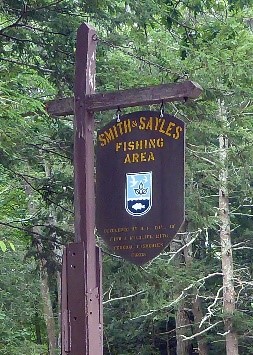
BURRILLVILLE/GLOCESTER – The Rhode Island Department of Health and the Rhode Island Department of Environmental Management have recommended avoiding contact with several bodies of water in northern Rhode Island due to confirmed cyanobacteria blooms.
In Glocester, Smith and Sayles Reservoir, and Russell Road Beach on Waterman Lake are on the list to avoid. Water in Burrillville’s Wilson Reservoir could also pose a high risk to health for both humans and animals.
Officials note that cyanobacteria, also known as blue-green algae, are naturally present in bodies of water, but under certain environmental conditions will form harmful algae blooms. Swimming, fishing, boating, and kayaking should be avoided at these locations as HABs can produce harmful toxins.

A section of Wenscott Reservoir at the western basin south of Douglas Avenue in North Providence and Smithfield was also found to have the harmful blooms.
Residents are advised to use caution in all of these areas, and officials note that HABs can move locations in ponds and lakes. People should not drink untreated water or eat fish from the affected waterbodies, and pet owners should not allow pets to drink or swim in the water.
Contact with water containing cyanobacteria can irritate the skin, nose, eyes, and throat. Symptoms from ingestion of water can include stomachache, diarrhea, vomiting, and nausea. Less common symptoms can include dizziness, headache, fever, liver damage, and nervous system damage. Young children and pets are at higher risk for health effects associated with cyanobacteria HABs because they are more likely to ingest water when they are in or around bodies of water. People who have had contact with these ponds and experience those symptoms should contact their healthcare provider.
If you or your pet come into contact with a cyanobacteria HAB officials say you should shower and wash your clothes when you get home and rinse your skin with clean water right away. If you feel sick after contact, you should call a healthcare provider
If your pet was exposed, wash it with clean water immediately and don’t let it lick algae from its fur. Call a vet if your pet shows signs of illness like tiredness, lack of appetite, vomiting, diarrhea or other symptoms within a day.
Affected waters might look bright to dark green, with thick algae floating on the surface. It may resemble green paint, pea soup, or green cottage cheese.
To report suspected cyanobacteria blooms, contact DEM’s Office of Water Resources at 401-222-4700 and press 6 or email [email protected] and if possible, send a photograph of the reported algae bloom.
For more information and the Freshwater Cyanobacteria Tracker Dashboard that lists current advisories and data, visit www.dem.ri.gov/bluegreen.



One thing I do know some of these homes on Wilsons need to update their septic . One place I’m aware of is after 30 years they still have never pumped out the septic. Hmm wonder where that’s draining to…Gross!!!