




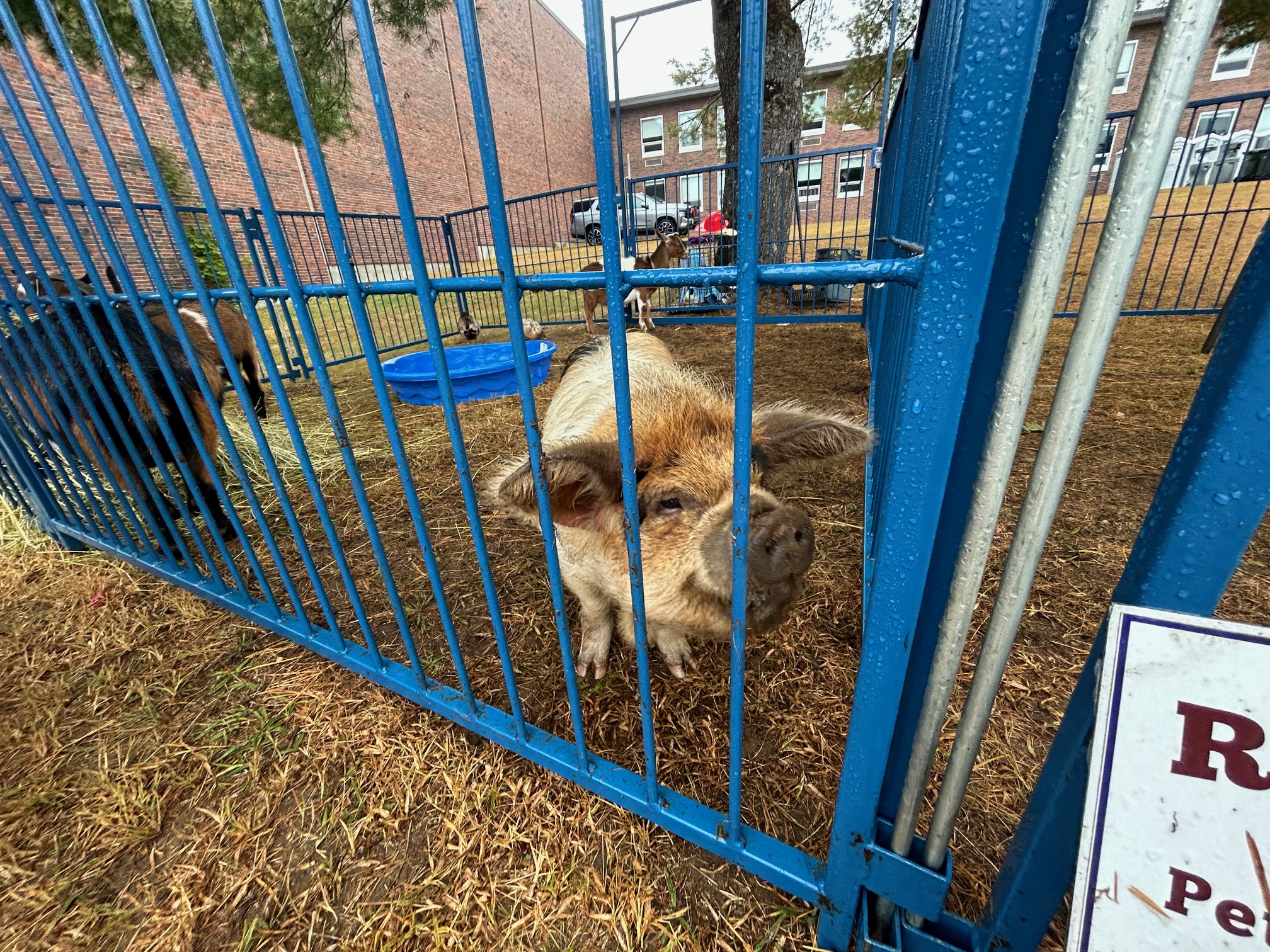
PROVIDENCE – The Rhode Island Department of Environmental Management and Rhode Island Department of Health have issued an animal quarantine order at Rusty Buckle Petting Zoo after several individuals became ill after contact with goats.
DEM and RIDOH are reportedly investigating the connection between the petting zoo and cases of “cryptosporidiosis-associated diarrheal disease.” The agency notes that three confirmed and three probable cases of the disease have been reported after individuals had contact with goats at the petting zoo, located at 138 Tourtellot Hill Road.

The quarantine applies to all ruminant livestock at the location, which must be kept away from the public and cannot have any physical contact with visitors until it is lifted.
Cryptosporidium is a common livestock parasite that lives in the gut of infected humans or animals. It spreads when someone comes into contact with infected feces and then touches their mouth, usually with unwashed hands. Symptoms usually begin two to 10 days after infection and include watery diarrhea with abdominal pain and cramping, which can be accompanied by dehydration, weight loss, fever, nausea, and vomiting. For people with weakened immune systems, symptoms can be severe and could lead to life-threatening illness.
There is medication to treat cryptosporidiosis and a release from the agency notes that most people who contract cryptosporidiosis fully recover within two weeks.
Anyone who has visited the Rusty Buckle Petting Zoo within the last month should monitor themselves for the symptoms of cryptosporidiosis, according to state officials, and if symptoms do develop, they should contact a healthcare provider.
“One of the inherent risks of visiting a petting zoo is exposure to pathogens,” said State Veterinarian Scott Marshall, who issued the quarantine today. “Petting zoo owners and the public share responsibility in limiting those risks. Common sense practices include ensuring only healthy animals are allowed public contact, keeping animals in a sanitary environment, providing hand-washing stations and patrons using those stations, and not eating or drinking where animals are kept.”
Recommendations include:
- Wash hands thoroughly for at least 20 seconds after contacting livestock, before preparing or eating food, after using the toilet, or after changing diapers.
- Avoid allowing clothing to be contaminated with feces, and wash any clothing that is contaminated. (People’s clothing is often contaminated when they pick up goats whose hooves have fecal matter on them.)
- Make sure that only healthy animals are in contact with the public.
- Keep animals in sanitary environments.
- Make hand-washing stations available for patrons.
- Avoid eating in areas where animals are kept.
The farm owners have reportedly stated that no one has shown signs of sickness and that they are cooperating with the order.